First post
June 19, 2020
Ah, the classical “first post”, often the only post in the blog. Let us hope this is not the case.
I feel like I should write down some things about my side projects. I tried using Medium, but it has two significant problems: the platform feels too monetized, and it really doesn’t work very well together with LaTeX. Since I like to think a lot in mathematical terms, having good LaTeX support is just essential.
This website is made using Jekyll and hosted on github-pages. I don’t know how good this is, but we shall see. At least like it better.
I hope to shortly make a couple posts about recent projects:
- Bayesian analysis of exam grades (I posted this over on Github, but since then I have done significant work on the subject)
- Analysis of moodle-logs
- Analysis of my last.fm scrobble history
- Analysis of ISU figure skating scores, and proving statistically the fact that judging is biased.
- How to scrape data from pdf files (using the ISU scores as example)
Keep reading

15th of January, 2025
I made an array programming language as a language extension to Rust

1st of August, 2024
Self-hosting your own cloud services not only saves money, it is also a great way to learn
7th of October, 2023
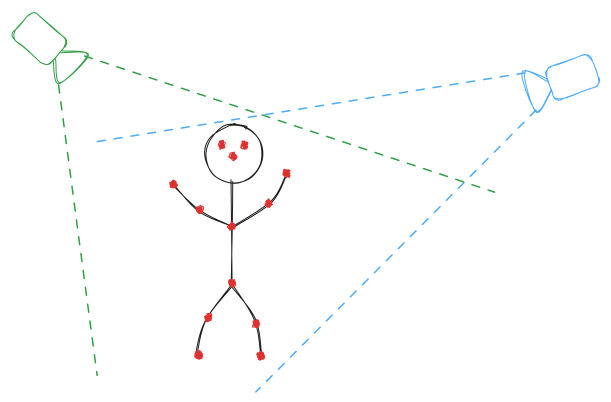
In my first dive into Rust, I implemented an unscented Kalman filter in and made it 20x faster than the equivalent Python implementation.

1st of May, 2023
I made an interactive dashboard for this website, and here is the story of how I did it.

26th of February, 2023
Read this blog post if you're curious what I worked on during my PhD!
29th of March, 2022
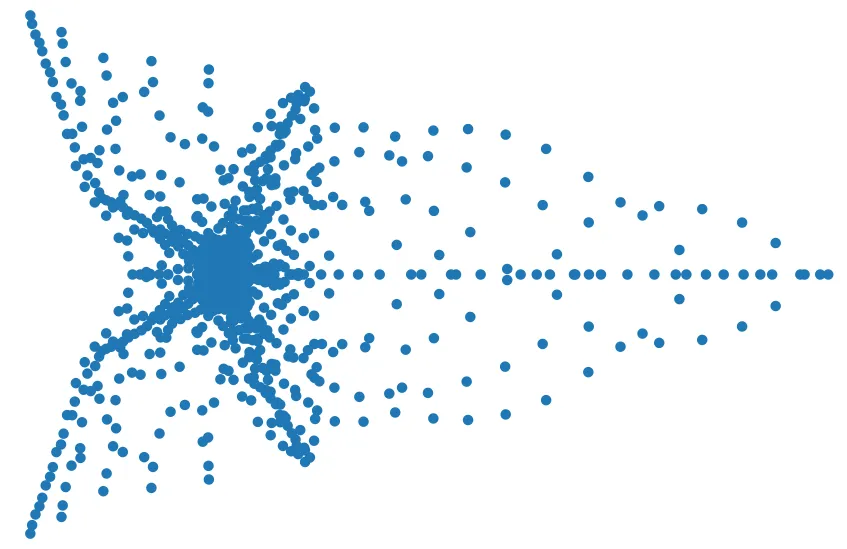
Linear least-squares system pop up everywhere, and there are many fast way to solve them. We'll be looking at one such way: GMRES.
10th of March, 2022
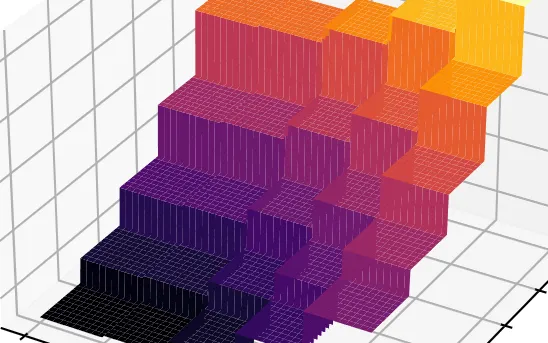
We recently made a paper about supervised machine learning using tensors, here's the gist of how this works.

26th of September, 2021
A lot of data is naturally of 'low rank'. I will explain what this means, and how to exploit this fact.

29th of August, 2021
Parsing and editing Word documents automatically can be extremely useful, but doing it in Python is not that straightforward.

31st of May, 2021
Finally, let's look at how we can automatically sharpen images, without knowing how they were blurred in the first place.
2nd of May, 2021
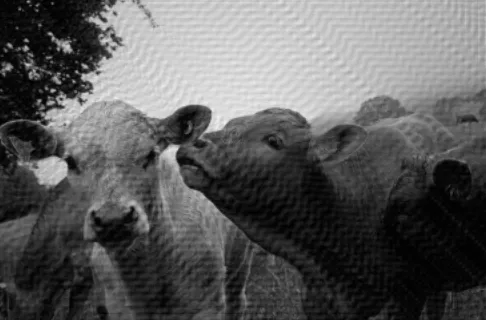
Deconvolving and sharpening images is actually pretty tricky. Let's have a look at some more advanced methods for deconvolution.
9th of April, 2021
In order to automatically sharpen images, we need to first understand how a computer can judge how 'natural' an image looks.

13th of March, 2021
Deconvolution is one of the cornerstones of image processing. Let's take a look at how it works.

13th of February, 2021
I have 15 years worth of email traffic data, let's take a closer look and discover some fascinating patterns.

9th of November, 2020
We use exams to determine how much a student knows, but exams aren't perfect. How can we estimate the uncertainty in students' exams scores?

26th of August, 2020
Cross validation is extremely important, but how should we choose the size of our validation and test sets?

12th of August, 2020
I use last.fm to track my music listening. Let's look at my data to discover how my musical preferences evolve over time.
10th of August, 2020
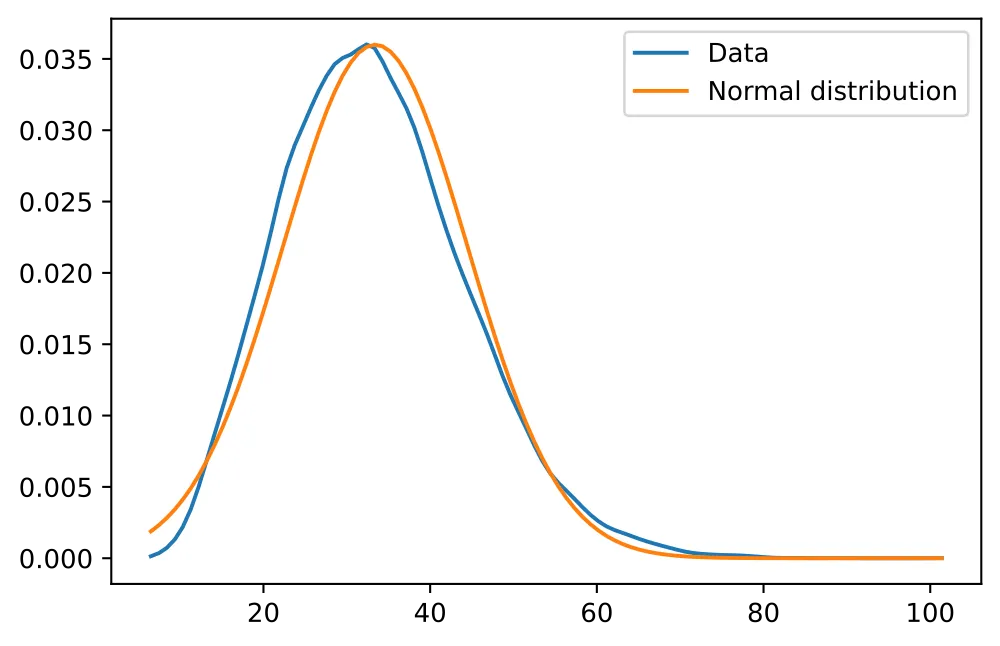
Normally distributed data is great, but how do you know whether your data is normally distributed?

20th of June, 2020
Judging in figure skating is biased. Let's use data science to figure out just how bad the issue is.